
Relief to Tribal Food Programs and SNAP Recipients as US Government Reopens After Forty-Three Day Shutdown
- Savannah Carlson
- Nov 13, 2025
- 2 min read
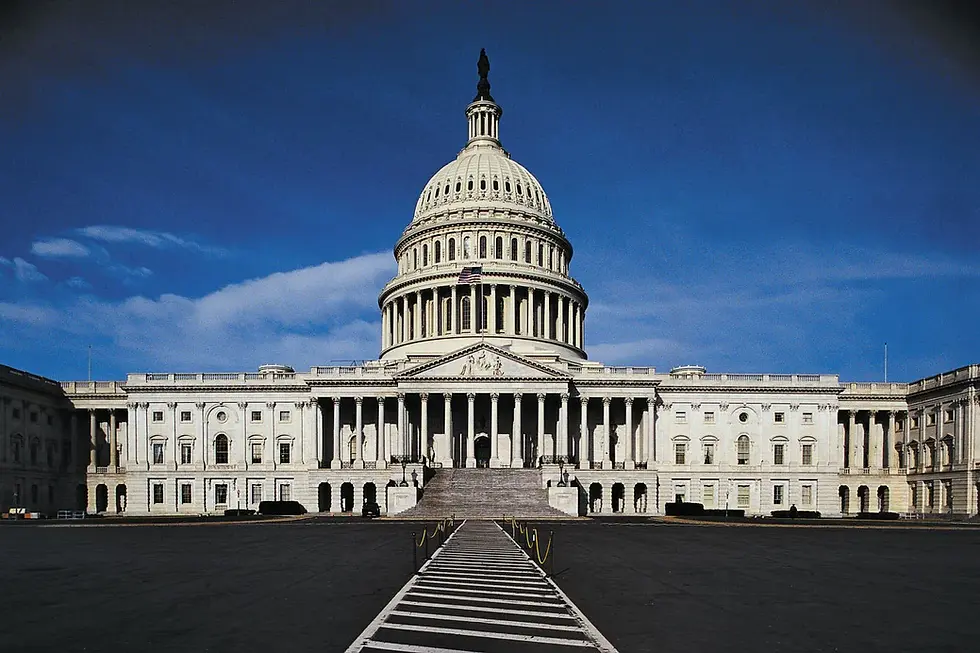
The protracted forty-three-day shuttering of U.S. government services, caused by congressional disputes over federal spending, has officially concluded with the signing of a new spending bill. Following the House of Representatives' approval of the necessary legislation on Wednesday night, President Donald Trump signed the bill into law, immediately authorizing funding for the Supplemental Nutrition Assistance Program (SNAP). This action ensures full payment of benefits to the estimated forty-two million Americans who had suffered the loss of food aid starting in November.
The full coverage of SNAP benefits for the current month, estimated to require $9 billion, simultaneously resolved a critical issue that had been facing the Supreme Court. Immediately following the President's signature, U.S. Solicitor General John Sauer filed a motion with the Supreme Court on Thursday to withdraw the federal government from a complex legal case. This dispute challenged the legality of the administration redirecting financial reserves to ensure partial SNAP payments while the government remained shut down. The Supreme Court had previously paused an order issued by a Rhode Island federal judge, which had required the Trump administration to fully dispense SNAP benefits to states and individuals who had not received them beginning November 1st. In the filing, the government confirmed its decision, noting that “Because the underlying dispute here is now moot,” the matter was closed.
The signed spending bill not only restores immediate aid but also authorizes SNAP funding through 2026 and replenishes the $\$6$ billion contingency fund that was activated in late October. This crucial legislation provides funding for all federal agencies through January 30, 2026, finally ending the extended budgetary uncertainty.
Across the nation, Tribal nations had undertaken extensive preparations for the possibility of a prolonged shutdown. Emergency orders had directed essential food aid through measures such as increased inventory purchases at tribally run food banks and larger meat harvests facilitated by tribally managed natural resources, illustrating the proactive measures taken to protect their communities.
The National Congress of American Indians (NCAI) commended the spending bill for successfully restoring SNAP funding, noting that it will allow states to "resume issuing benefits that millions of families lost during the shutdown.” However, the group’s statement underscored a persistent concern, cautioning that "Still, this moment underscores an enduring reality: temporary fixes are not enough." The NCAI stressed that repeated government shutdowns and stopgap funding measures force Tribal governments to continually "divert time and resources away from serving our people," arguing that the data and testimonies collected during the most recent shutdown made clear how fragile the status quo is for Tribal communities, and that the only true solution is "lasting, structural funding reform.”