
Sustaining the Sacred: 'Sacred Waters 'Documents the Sault Tribe’s Fight to Restore Great Lakes Whitefish
- Savannah Carlson
- Jan 20, 2025
- 2 min read
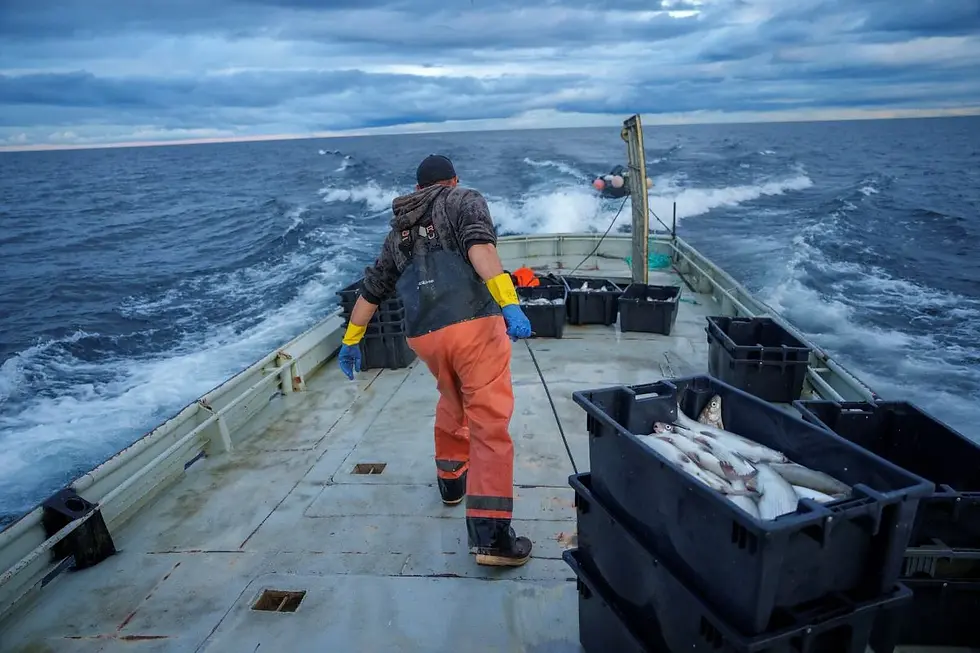
The once-pristine, crystal-clear waters of the St. Mary’s River, spanning northern Michigan and southern Ontario, were historically teeming with whitefish, a profoundly vital food source for the Anishinaabek people. However, two centuries of colonization, relentless overfishing, and the destructive proliferation of invasive species have collectively led to a sharp decline in these culturally significant fish populations. This critical contemporary narrative is now captured in a new short documentary film, Sacred Waters: Anishinaabeg Naagdawenmaanaanig Giigoonhkewin (The First People Taking Care of the Fishery).
A Story of Reclamation and Innovative Science
The fifteen-minute film meticulously documents the historical connection between the tribes and the northern Great Lakes region, with a sharp focus on how biologists from the Sault Ste. Marie Tribe of Chippewa Indians are now spearheading dedicated efforts to restore the whitefish populations. Sacred Waters, which premiered at the Fresh Coast Film Festival in Marquette in 2024, was produced for the Sault Tribe Board of Directors by filmmaker Finn Ryan, whose body of work consistently highlights narratives of empowerment and revitalization surrounding community, conservation, and the outdoors. Videography, photography, and editing for the project were expertly managed by Marquette-based Aaron Peterson Studios.
Sault Tribe Chairman Austin Lowes emphasized the deep-rooted cultural context of the initiative. "The Anishinaabek have always had a deep history and connection to our local lands and the waters," Lowes stated, expressing immense pride in the Tribe's fisheries program which has long been a leader in protecting and sustaining the Great Lakes and their resources. He noted that the film proactively showcases the cultural significance of fishing to the Tribe and documents the groundbreaking work of their biologists to restore the Adikameg (whitefish) populations.
Traditional Wisdom Meets Modern Techniques
The documentary features candid interviews with Sault Tribe elders, commercial fishers, and staff biologists who discuss the enduring cultural ties to fishing and detail the environmental factors that led to the sharp decline of the whitefish populations. Crucially, the film highlights the Tribe’s innovative methods to boost the whitefish populations, specifically focusing on the technique of pond-raising and releasing whitefish, an approach not traditionally utilized with this species. This method underscores the convergence of traditional stewardship with modern, science-based conservation efforts.
Chairman Lowes expressed gratitude for the production team's sensitive approach to the material, stating, “We are very thankful for the thoughtful storytelling that our video team brought to the table to help share our relationship to Adikameg.” Following the successful initial showings in the Upper Peninsula, the Tribe anticipates sharing this compelling story online to reach a significantly wider audience, further elevating the understanding of Indigenous conservation leadership.